The impulse to build
I wanted to study aerospace. Physics competitions, space-settlement design, and astronomy gave that ambition somewhere to begin.
Physics was the beginning. People changed the direction.
I grew up in Beijing wanting to build things that could fly. At Northwestern, I began to care more about the rules people live under.
Physics gradually stopped feeling like the right fit. After moving to the U.S., I wanted work that brought me closer to people—their circumstances, the choices available to them, and the institutions that shape their lives. Law offered that connection.
I still thought quantitatively. Studying physics and legal studies together led me to ask whether the tools of one field could help explore the other. My research on Seventh Circuit sentencing appeals, and later CourtLab, came out of that question.
The desire to build never went away. AI has made it possible to turn more of my ideas into things I can use: a research tool, a map of my travels, an app for reading the Chinese classics. I care about how a product can change what someone is able to do.
I wanted to study aerospace. Physics competitions, space-settlement design, and astronomy gave that ambition somewhere to begin.
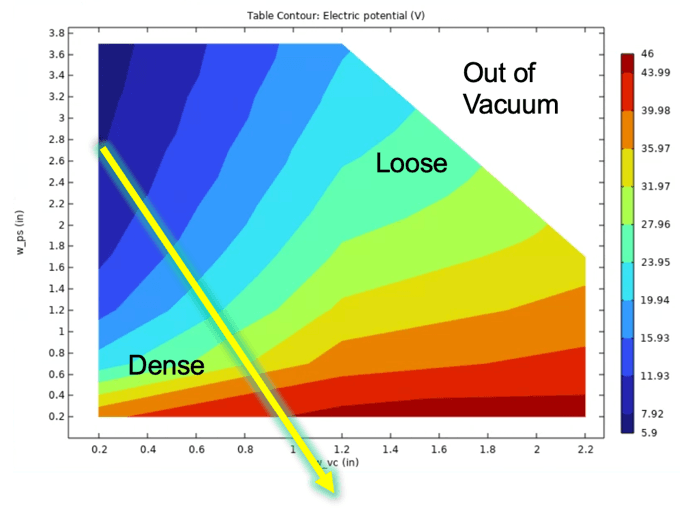
At UCLA, I worked on electric-thruster filter simulations and beam-target design. I liked the process of turning an idea into something that could be built.
Diligence research at ICBC took me into utilities, semiconductor companies, and infrastructure. My quantitative background was beginning to meet questions about institutions and their decisions.
Defense work brought me close to lives very different from the world I grew up in. Working with legal records and mitigation research changed how I understood crime, circumstance, and how fragile a life can be.

My sentencing-appeals thesis became a way to study law quantitatively. CourtLab grew from wanting people to explore the decisions and findings for themselves.

I work as a Practice Assistant in the Century City Business Trial group. Alongside that work, I keep building with AI—following the same instinct to make something when the tool I want doesn’t exist.